Showing posts with label artworxTO. Show all posts

09 November 2021

Tuesday Treasures

 Tom the backroads traveller hosts this weekly meme.

November 2021 - Toronto ON

I'm taking a break from Toronto Lanes to write about an interesting piece of Toronto history I came across this week at Union Station.
Last week I had posted about ArtworxTO Toronto's Year of Public Art 2021-2022.
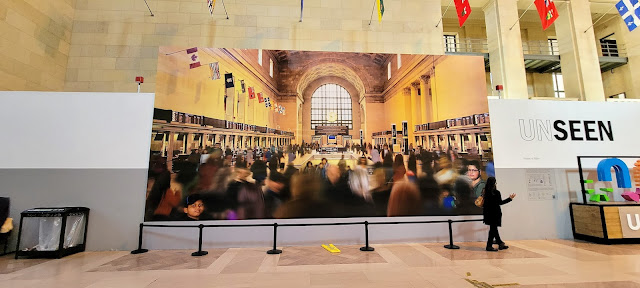
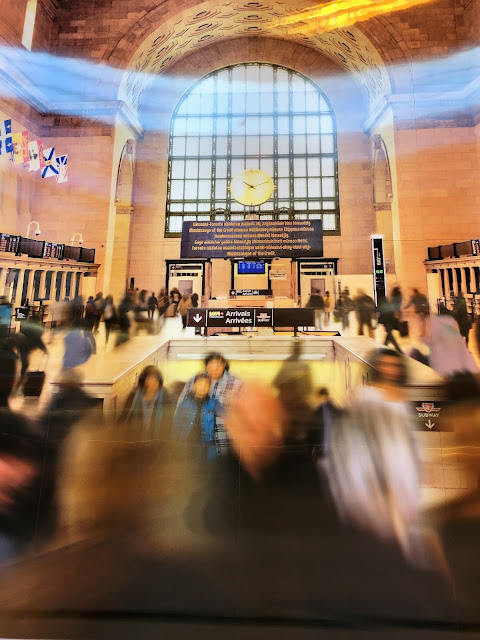
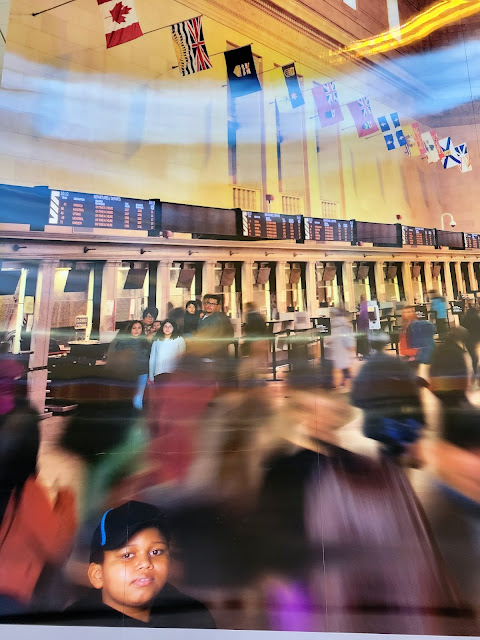
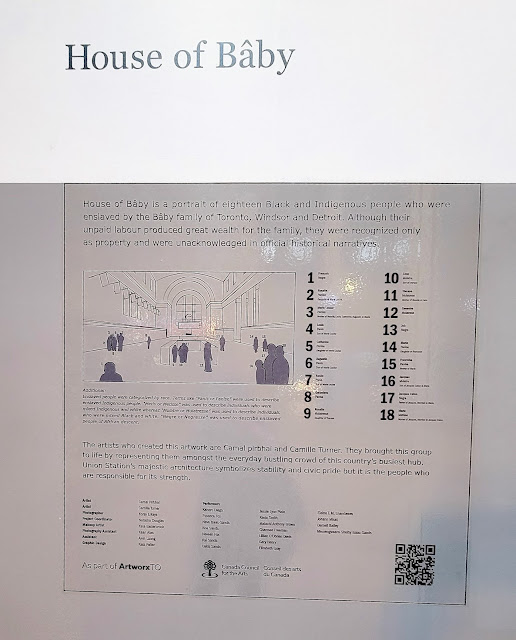
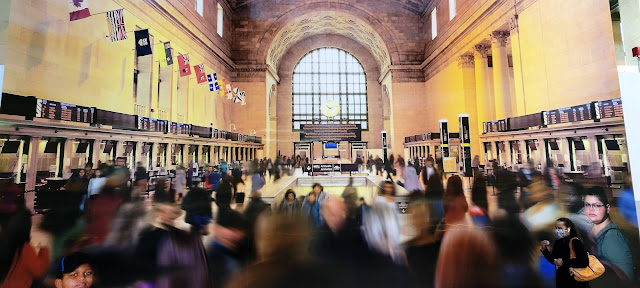
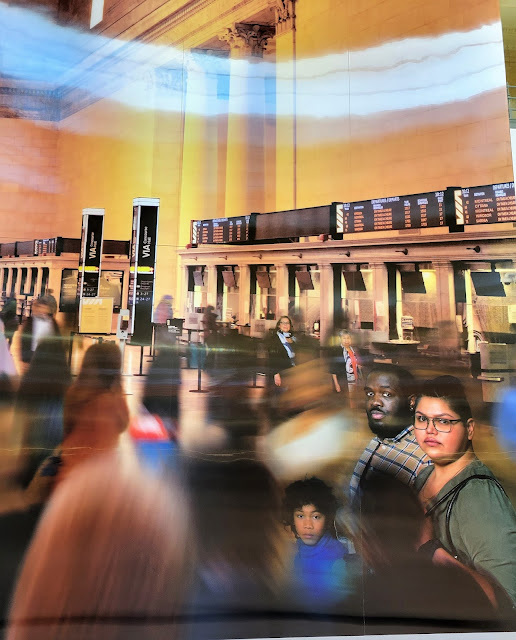
House of Bâby is a 35’ lenticular image. As the viewer moves, eighteen people come into focus from the blurred crowd. They represent eighteen of the Black and Indigenous people who were enslaved by the Bâby family in Toronto, Windsor and Detroit. Their unpaid labour produced great wealth for the family. 


This artwork imagines the group in our contemporary moment, no longer constrained by the past as property nor languishing in the obscurity of the archive. The artists, Camal Pirbhai and Camille Turner brought this group to life by representing them in this country’s busiest hub. Union Station’s majestic architecture symbolizes stability and civic pride but it is the people who are responsible for its strength.

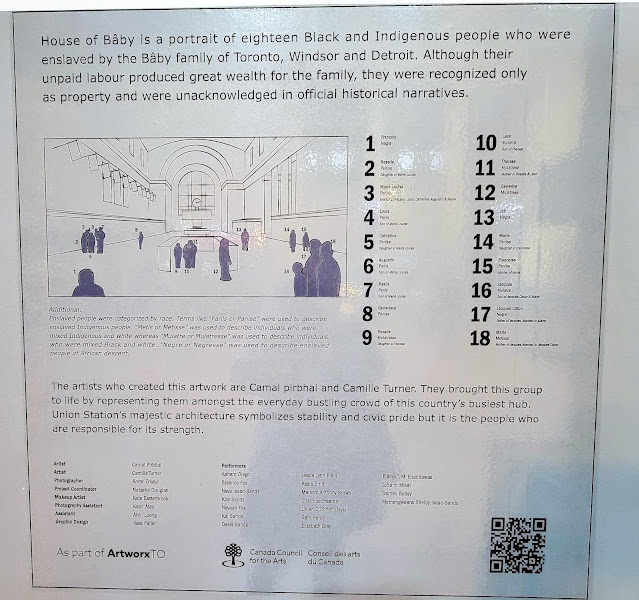
Enslaved people were categorized by race and only called by their first name. Terms like “Panis or Panise” were used to describe enslaved Indigenous people. Panis is a Francophone corruption of the word “Pawnee” that was used as a catch-all term for Aboriginals, regardless of their actual tribe.
 “Metis or Metisse” was used to describe individuals who were mixed Indigenous and white whereas “Mulatre or Mulatresse” was used to describe individuals who were mixed Black and white. “Negre or Negresse” was used to describe enslaved people of African descent.


François Baby was born into an influential family of fur-traders. He was educated at the Collège des Jesuites at Quebec. He later joined the fur-trading profession with his brothers, working out of Montreal during the 1750s. In 1760, he was taken prisoner in England. He returned from France in 1763 to set up as a merchant at Quebec.
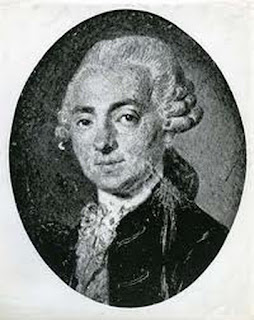


In 1773-74, Baby travelled to London as a defender of the constitutional proposals of Governor Carleton (1st Baron Dorchester), which were eventually adopted as the Quebec Act, 1774.

Baby’s resistance to the American invasion of 1775-76 and his political conduct thereafter led to his appointment, by Governor Haldimand, to the legislative council for the Province of Quebec in 1778. He lived the rest of his life on revenues from landed property, life annuities and government salaries.
François Baby was a member of a family that enslaved people. Records indicate that the Baby family, which would go on to become one of the most powerful in Upper Canada, owned Black and Indigenous enslaved people. Some of these enslaved people were passed down through the generations of the family in the late 18th century.


Legislation was passed that protected the right of slave-owners to keep human property. James Baby — Francois’ nephew and an Upper Canada judge — was a vocal opponent of abolition.
According to a recent article by historian Gregory Whitmore, a Quaker visitor to Upper Canada in 1793 once noted that Francois Baby’s attitudes on slavery were akin to those of “many negro masters in the Southern States.”

31 October 2021

Monday Mural

 I'm linking up at Monday Mural

October 2021 - Toronto ON

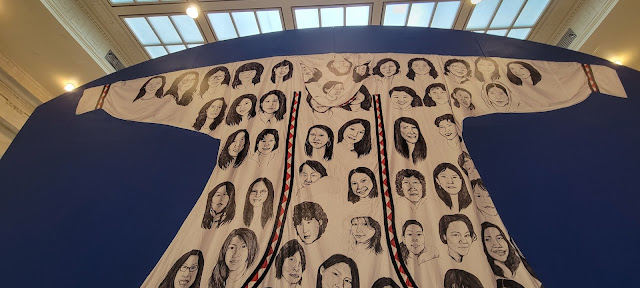
Part of ArtWorxTO Hub at Union Station.


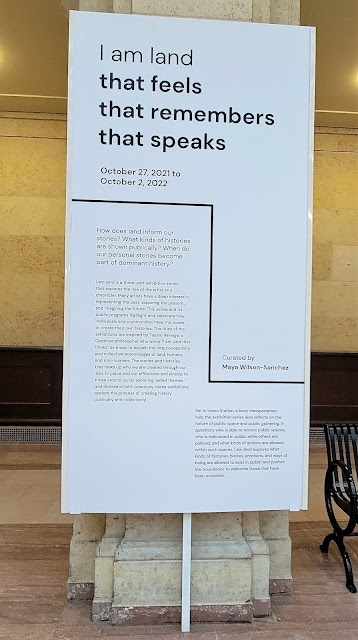
On October 27 Mayor John Tory officially launched the ArtworxTO Hub at Union Station, located at 61 Front St. W. Click here to view online. Some of the pieces have been around for a few years.


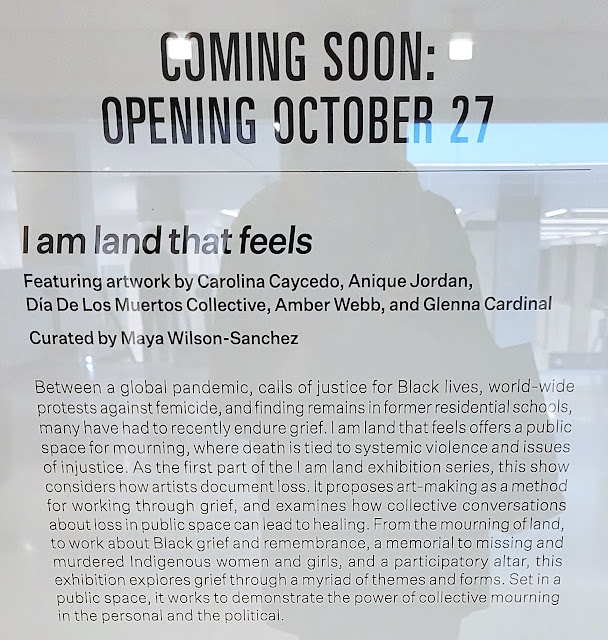
The Hub’s inaugural exhibition “I am land”, is curated by Maya Wilson-Sanchez. “I am land” is a three-part exhibition; the first part is called “I am land that feels”.


I've posted some of these earlier this month.


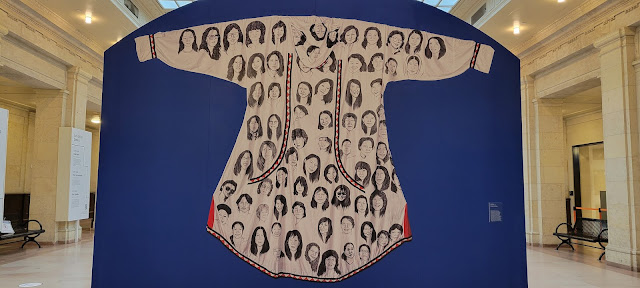
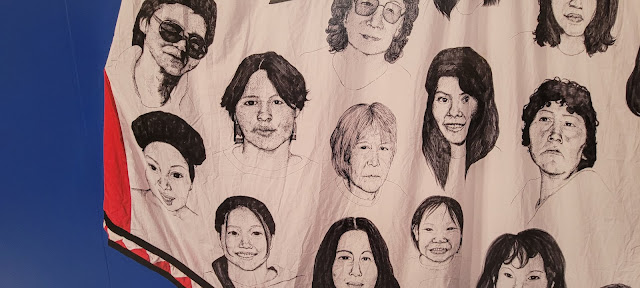
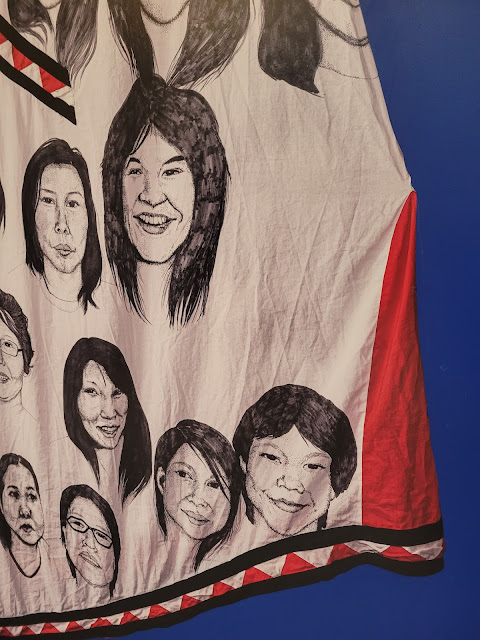
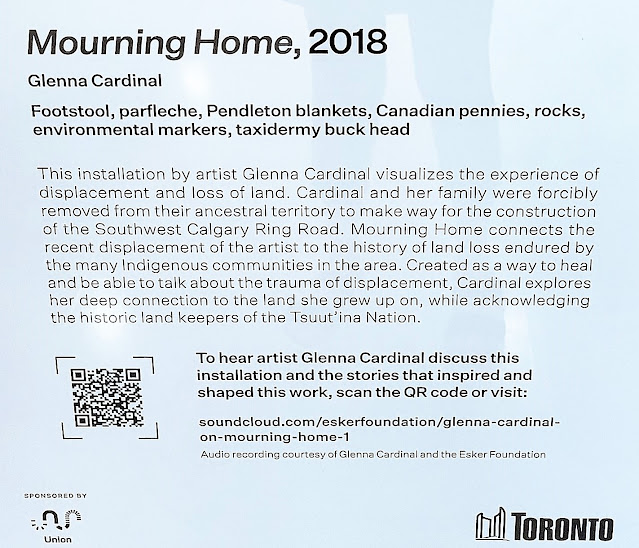
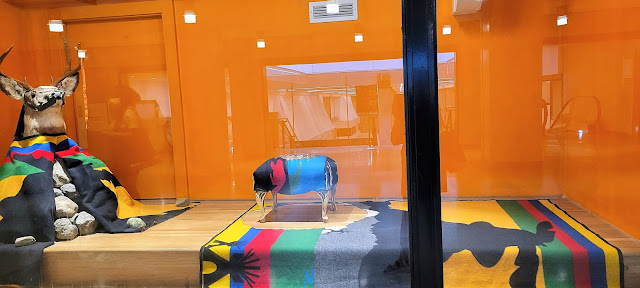
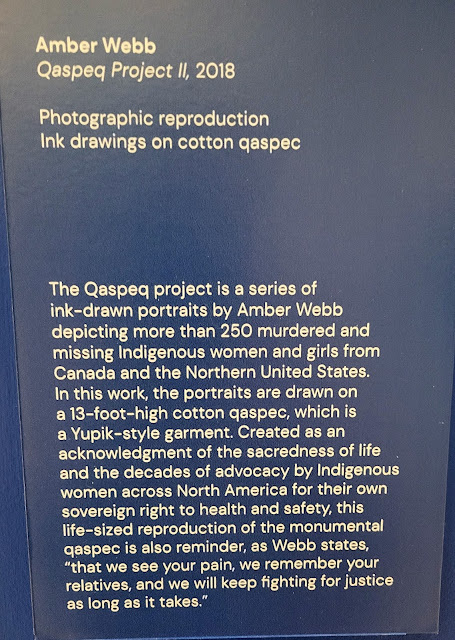
The City of Toronto has partnered with Union Station to deliver this ArtworxTO hub. “I am land that feels” offers a public space for mourning, where death is tied to systemic violence and issues of injustice. This first part of “I am land” examines how artists document loss. It proposes art-making as a method for working through grief and examines how collective conversations about loss in public space can lead to healing. The exhibition explores grief through myriad themes and forms, from Glenna Cardinal’s and Carolina Caycedo’s mourning of land, to Anique Jordan’s work on Black grief and remembrance, Amber Webb’s memorial to missing and murdered Indigenous women and girls, and a participatory and community-based altar by the Day of the Dead Collective. The exhibition is open to the public and can be viewed in person or online.

Created by the Día de los Muertos Collective, this community-based and participatory ofrenda, or altar, fosters a space for public mourning in the midst of a global pandemic. Bearing witness to all of the injustices that have impacted various communities, this sculpture carves spaces for collective loss and care—where feelings of celebration, grief, anger, and reflection can co-exist in remembrance. Beyond showcasing the tradition and art of the Day of the Dead, this altar weaves together the longstanding celebration hosted by the Día De Los Muertos Collective in Wychwood Barns for over 12 years, gathering community through ritual, performance, music, visual arts, vending, and food. The Día de Los Muertos Collective is a non-profit that coordinates the efforts of communities in T’karonto to create a celebration that honors the dead, delights the living, promotes artistic creation, and fosters community development through tradition. 

DAY OF THE DEAD IS TUESDAY NOVEMBER 2


25 March 2019

Monday Mural

I'm linking up at Monday Mural

March 2019 - Toronto ON

Listed as part of ArtworxTO.


In late 2015, the former Primrose Hotel at the southwest corner of Toronto's Carlton and Jarvis intersection reopened its doors after being converted into a student residence. Now known as the Parkside Student Residences, the 23-storey tower, has got a colourful addition with a new mural by renowned Spanish street artist Okuda San Miguel gracing the building's blank east facade along Jarvis Street.


Dubbed Equilibrium, the landmark mural draws inspiration from the surrounding community, and was designed in consultation with various community stakeholder groups, the residence's student community, and several local groups. The mural's crest will feature an Okuda Kaos Star—a signature element present in many of Okuda's works—topped by a dove and foliage in a reference to the neighbouring Allan Gardens.

Below, a trio of faces represent various forms of knowledge, with grayscale faces representing wisdom and history, and a brightly coloured face representing research and innovation. Below the trio of faces, a pair of multi-patterned figures—representing local cultural diversity—hold up a globe. The base of the mural will feature a second colourful Okuda Kaos Star.


We had seen another work of his in 2017 in Fort Smith AR!

07 August 2016

Canary District

August 2016 - Toronto ON


Last Monday was a civic holiday in Ontario so we headed out to find some sculptures I had found online.

We were astounded at the development of this area. We were also puzzled as to why we were having trouble finding a parking spot on a holiday, we would soon find out.


As we arrived we saw this sculpture titled No Shoes by Mark di Suvero. Not sure why the name...


The new neighbourhood was named after the Canary Restaurant, a diner that operated from 1965 until 2007 on the corner of Front and Cherry Sts. in what was originally the Palace Street School, built in 1859. Palace St. has returned in the new Canary District, along with Cooperage St., Rolling Mills Rd. and Tannery Rd., all reference to the area’s industrial past.
The Canary District is a housing development in Toronto's West Don Lands mixed-use development. Six buildings initially served as the 2015 Pan American Games Athletes' Village for the 2015 Pan American Games. Those buildings were then finished and converted to private residences. Dozens of further buildings will be constructed for private residences, with Front Street lined with boutiques and restaurants.


West Don Lands was once a thriving commercial and industrial hub. This period of prosperity was followed by many decades of neglect. The new streets reflect the history.
 It once notably occupied by the pork processing plants of the William Davies Company. 


William Davies Company was a pork processing and packing company. At one time, it was the largest pork packer in the British Empire, and it operated Canada's first major chain of food stores. One of Toronto's longstanding nicknames, "Hogtown", is attributable to the millions of pigs processed annually by the William Davies Company.


William Davies, born in 1831 in Wallingford, England, emigrated to Canada in 1854, and soon thereafter set up a stall in Toronto's St. Lawrence Market, where he sold cured hams and bacon. Realizing that there was an opportunity to export Canadian pork products to England,


Another example of industry in the area was Lever Brothers of Britain who opened a factory in 1890 on the bank of the Don River in Toronto. For more than a century workers made soap here, including Sunlight and Dove products.


The company grew and operated until 1930, when it merged with a Dutch margarine company, Margarine Unie, to form Unilever, the first modern multinational company.

The Lever Brothers name was kept for a time as an imprint, as well as the name of the US subsidiary, Lever Brothers Company, and a Canadian subsidiary, Lever Brothers Limited. Lever Brothers was sold to a US capital firm Pensler Capital Corporation and renamed Korex in 2008. Korex Don Valley assumed operations of the Lever Brothers Toronto plant. It has since closed and gone bankrupt.

John captured the mural on the side of the Lever building looking a little faded.


The deindustrialization of the 1970s saw most of the land abandoned.The industrial history meant the soil was highly polluted and needed expensive cleanup before any residents could live there.


Finally a parking spot!


Two prominent art installations draw the eye on the north side of the promenade. Tadashi Kawabata's 'Lamppost,' a chaotic tower of diversely sourced lighting fixtures, uses lampposts—a common element of many geographies and eras—to create a playful tangle of infrastructure. 


Slightly to the east, 'The Water Guardians' stands as a somewhat friendlier presence on the streetscape, with a padded children's play area surrounding the bright blue sculpture. UPDATE October 2021 - listed as part of ArtworxTO


John is standing underneath.


A commemorative collage of trees with accompanying plaques lines the Canary District sidewalk. This installation known as 41 Trees pays homage to the 41 countries that participated in the Pan Am games, providing a lasting legacy and reminder of the games that helped to shape this 21st century neighbourhood. 


Waterfront Toronto awarded a commission to Berlin-based artists Hadley+Maxwell to create a new sculptural installation for the corner of Front Street East and Bayview Avenue in the West Don Lands community.
Canadian, but currently Berlin-based, these two artists have exhibited their work in cities all over the world, including Amsterdam, Taipei, Seattle, and Rotterdam.


Hadley+Maxwell’s work for Front Street brings the past to life by fragmenting and rearranging parts of monuments, sculptures and architecture from all over the City of Toronto. Based on the idea of follies – fanciful and purely decorative structures that were popular in 18th and 19th century landscape gardens– this project reimagines a ‘garden of follies’ using features from the built environment that are normally inaccessible. The artists will incorporate elements from monuments that are normally high above the street and physically out of reach, bringing them down to street level where they can be celebrated and enjoyed.


Italics taken from an interview with the sculptors in The Artful City.
We have chosen over 80 different monuments and architectural features from around the City of Toronto to build this sculpture garden. It is a folly composed of seven sculptures. All the sculptures are collaged fragments.

I grew up in Toronto and as a kid I fantasized about being able to get on top of the big horse in Queen’s park. To me, this statue paid homage to an enormous horse; I paid no attention to King Edward VII who rides it. Part of this project is that we are taking things like this that are out of reach and bringing them down to the ground, where a child really can get on top of the horse, but also where the King disappears. We are exercising their accessibility as objects, as bronze things, that can be touched and played with.


Each sculpture contains ideas from various sculptures around Toronto. If I have a photo of that piece I will include it here to give you an idea.

This appears to be the horse he is referring to above.


Here's the original statue.


A suitcase from the Memorial to Italian Immigrants acts as a plinth for a collection of hats from various bronze heads.
I pass the suitcase sculpture often but don't have a photo of it.


Not sure what this is from.


A bell from St. James Cathedral’s famous collection is perched on a cannon from Fort York


St. James Cathedral


Fort York cannon


“Sir John A. Macdonald’s nose is assembled along with the eyes of artists Frances Loring and Florence Wyle, the chin of Dr. Sun Yat-Sen, and Northrop Frye’s hair


 Jack Layton’s smile is one of seven that grace a figure lounging atop a reconstituted mantel from the library at Osgoode Hall


We decide to explore the park across the street.


Corktown Common borders the Don River to the east. 

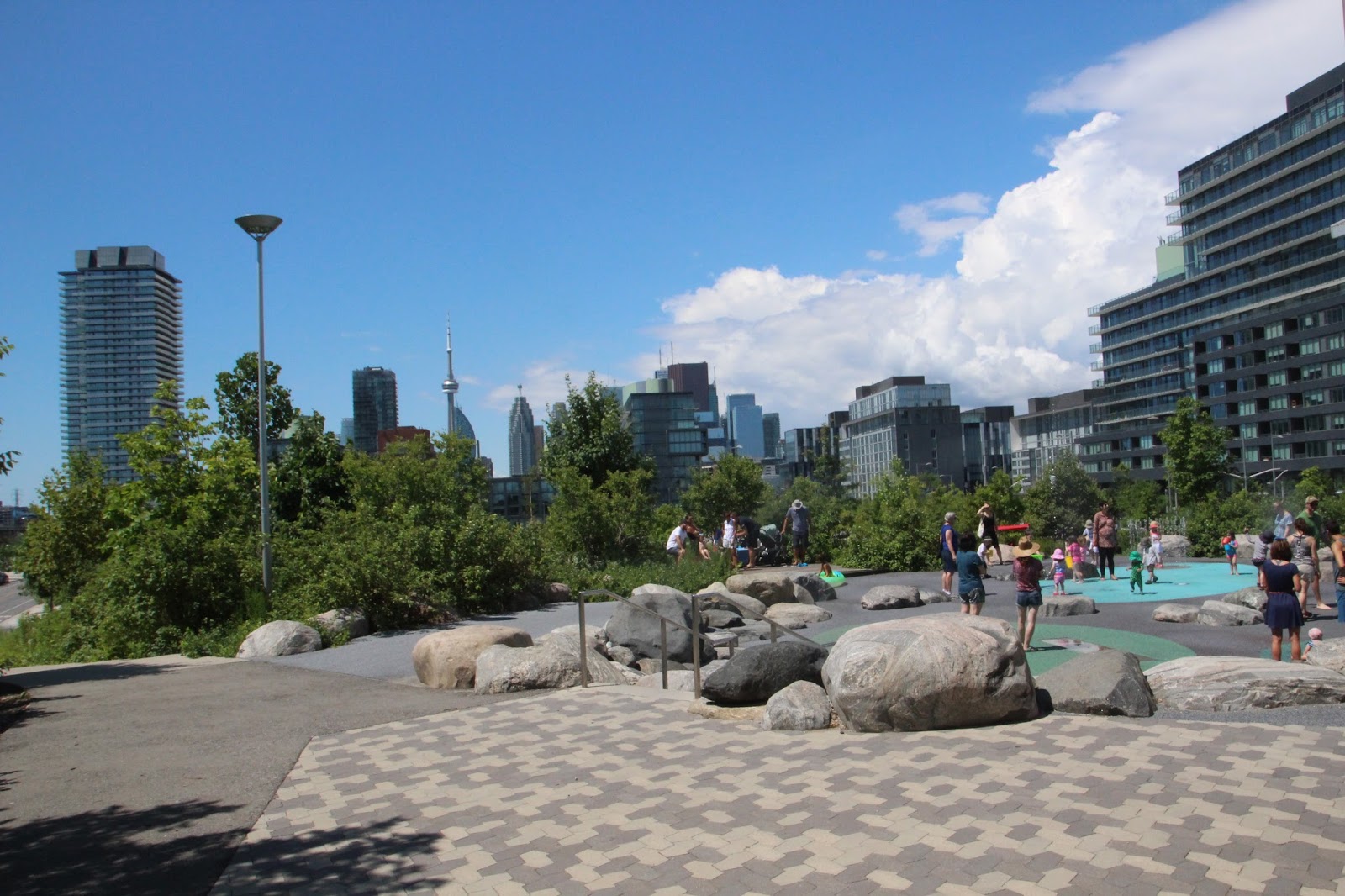
The centrepiece of Canary District, Corktown Common park, is an 18-acre active and inviting green space that provides residents and visitors with a breath of fresh air in the city.

This beautiful park extends to the banks of the Don River and offers inspiring experiences along the river’s edge as well as spectacular views of downtown and Lake Ontario. A wide variety of activity areas, including a multi-functional pavilion, offers exciting activities like community events, BBQ’s and block parties. Focused on the principles of healthy living, Corktown Common park offers areas for dog runs, soccer, lacrosse and bird watching.


There were five street projects, collage boxes around the park.


There were great views of the CN Tower.


Some historic buildings have been retained.


1890: Cherry Street Hotel

By the 1890’s, the building had become a turreted and gabled Victorian hotel: the Irvine House and then the Cherry Street Hotel. It had 40 neatly furnished sleeping rooms, a well equipped dining room and a well-stocked bar serving choice imported wines, liquors, ales, beer, porter, stout and cigars.


On Cherry St. the Cooper Koo YMCA welcomes new visitors to the neighbourhood astride the Cherry St. streetcar line that began operation in June.

Weekend Roundup

 Welcome to The Weekend Roundup...hosted by Tom The Back Roads Traveler 1. Starts with " G " 2. A Favorite 3. GOLD- Chosen by Tom ...