Showing posts with label immigration. Show all posts

23 September 2025

Tuesday Treasures

 Tom the backroads traveller hosts this weekly meme.


August 2025 - Toronto ON

346 Spadina Avenue was the location of the Labor Lyceum, the building has been many things over the years.
It was demolished and a new building housing The Scott Mission sits there now.


It sat on the corner across from this Chinese restaurant.


The garment industry was the main employer of Jewish immigrants in the early 1900s. The Labor Lyceum was home to unions that supported the interests of workers. Learn about the industry and two key events that the Jewish community and workers actively participated in.


The plaque reads:
Established in 1913 by Henry Dworkin and Sam Easser, the Labor Lyceum Association sought to advance the interests of the city's Jewish trade union movement. Through the sale of $5.00 stock certificates, the Association purchased the houses at 344 and 346 Spadina Avenue in 1924, adding meeting rooms in 1929.
The Labor Lyceum operated as the headquarters for the non-Communist trade unions of the primarily Jewish garment district. The seasonal nature of the textile industry meant that workers could socialize and strategize here during slow work periods. The Labor Lyceum also served as an important cultural centre for various Jewish societies and fraternal organizations. It hosted a range of activities from lectures and rallies to dances, plays, and concerts. In the 1940s, the provincial Co-operative Commonwealth Federation held political conventions here.
Beginning in the 1950s, the Jewish community moved out of the Spadina Avenue area. The Labor Lyceum, however, remained significant to new immigrant groups and their labour activism. In 1971 the building was sold and the Labor Lyceum moved to Cecil Street.


In 1924, the Labor Lyceum, a union hall for Jewish workers in the garment industry, stood at the corner of Spadina and St. Andrew, in the Jewish Market, now Kensington Market. Their strike action led to better conditions for all garment workers in Toronto. So when trailblazing anarchist and feminist Emma Goldman, who J. Edgar Hoover called “the most dangerous woman in America” was exiled from the U.S. for agitating on topics as radical as birth control and women’s rights, she fittingly chose Kensington Market as her adopted home. When her funeral was held at the Labor Lyceum, the crowds caused havoc with traffic in downtown Toronto.


Emma Goldman, the renowned anarchist, lived in Toronto during various periods of her life, most notably from 1926 to 1928, 1933 to 1935, and 1939 until her death in 1940. Deported from the United States in 1919, she chose Toronto as a base for her activism in Canada. She resided on Spadina Avenue and was a central figure in a vibrant anarchist and activist community in the city.

It took me two trips to find this plaque, it was hidden in plain sight! I found the building 233 Spadina, but it looked like a non-descript cafe???

It made me laugh as I looked at this photo, you can see the plaque, but that man was blocking my view as I peered in the door, looking around for a plaque, assuming it was attached to the building itself.
I ventured in and found an assembly line of Asian women with a huge line of customers buying delicious looking sandwiches.


It's funny, and kind of amazing, to think of the history of this building. What did it look like when Emma Goldman lived here in the 1920s? What else has the building been? What was it back then?


08 September 2022

Day 5 Sydney NS to North Sydney NS

 Sep 8 Sydney NS

WEATHER Sunny TEMP 14 -   C  (57 -  F)

We don't have far to go today so we had breakfast and stayed in the hotel until checkout time 11 AM.


Sitting in front of the Joan Harriss Cruise Pavilion on the Sydney waterfront is the largest fiddle in the world! The fiddle stands tall at 18-metres and is hard to miss.


MERCHANT MARINERS' MEMORIAL
Sydney Harbour played an important role during World War II once a Royal Canadian Navy base, HMCS Protector, was established to stage supply convoys bound for Europe. These convoys tended to be slower and had the prefix SC for Slow Convoy.[12] Convoy SC 7 typified the dangers inherent with the Nazi U-boats off the coast of Cape Breton and Newfoundland during the Battle of the Atlantic, when 20 of the 35 merchant cargo vessels were sunk on their journey to England. Sydney Harbour was one of the hotspots of the Battle of the St. Lawrence. Two notable shipping attacks occurred during this battle: the sinking of the train ferry SS Caribou in October 1942 on its way from North Sydney to Port aux Basques, Newfoundland;[13] and the sinking of the Sydney-based HMCS Shawinigan on 24 November 1944 in the Cabot Strait, near Cape North, on Cape Breton Island.[14] Sydney's coal shipping and steel manufacturing made a significant contribution to the Allied war effort, however federal Minister of Industry, C. D. Howe favoured Central Canada's steel industry given its proximity to a larger workforce and less exposure to coastal attack


We then decided to head to North Sydney where we will be spending the night. 


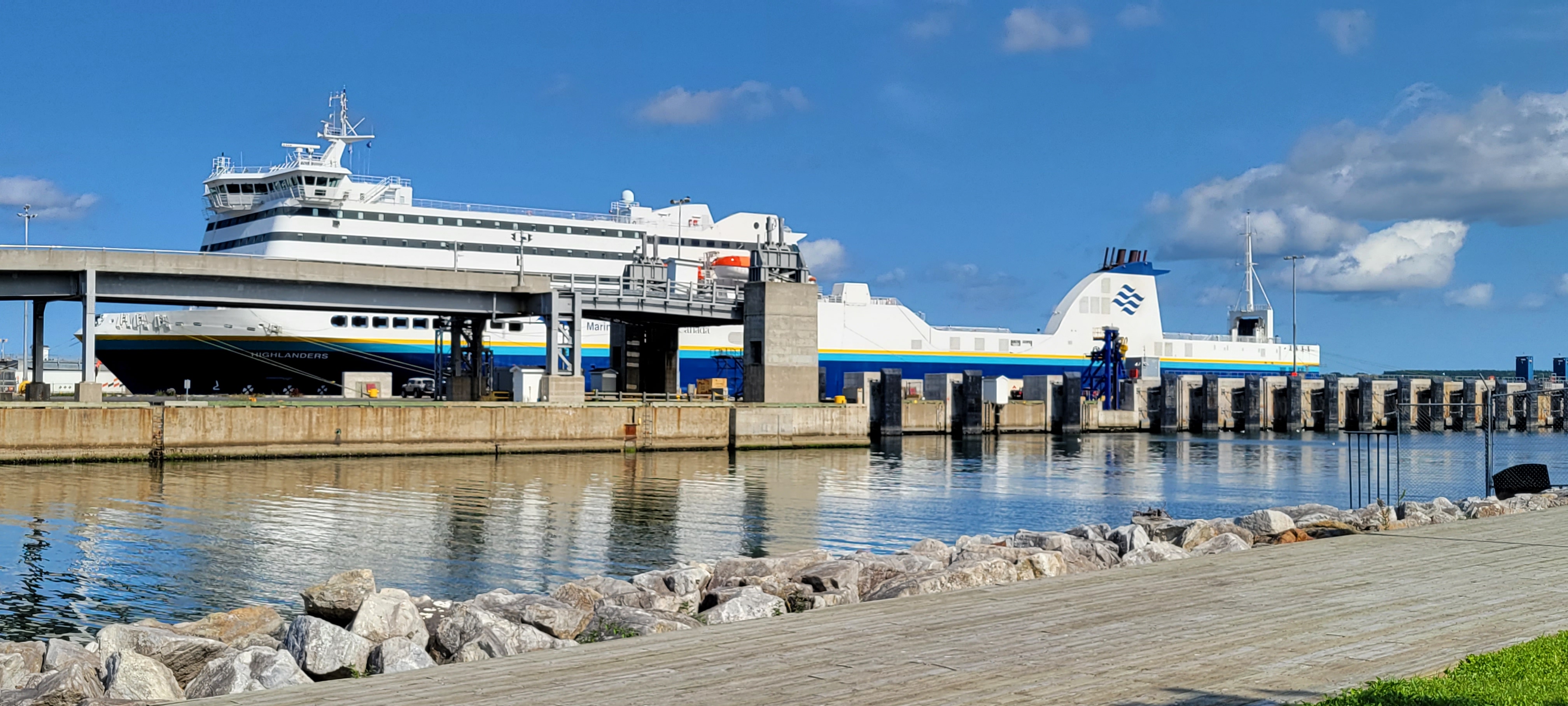
We found our hotel and the ferry.


The ferry from the hotel.


W debated where to go and decided on Glace Bay since we haven't been there although we have been around the area. EDIT we have been there before.


Pretty


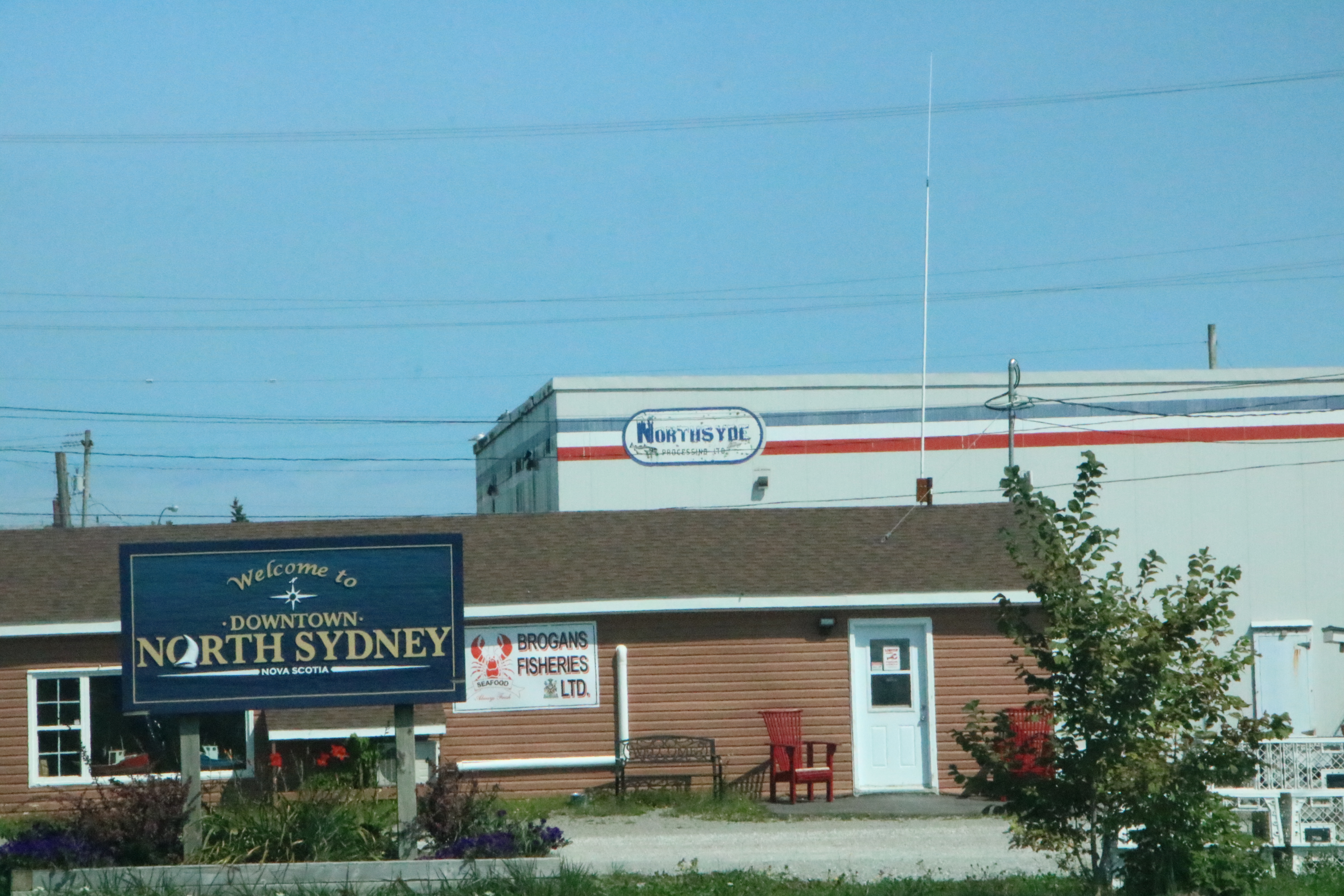
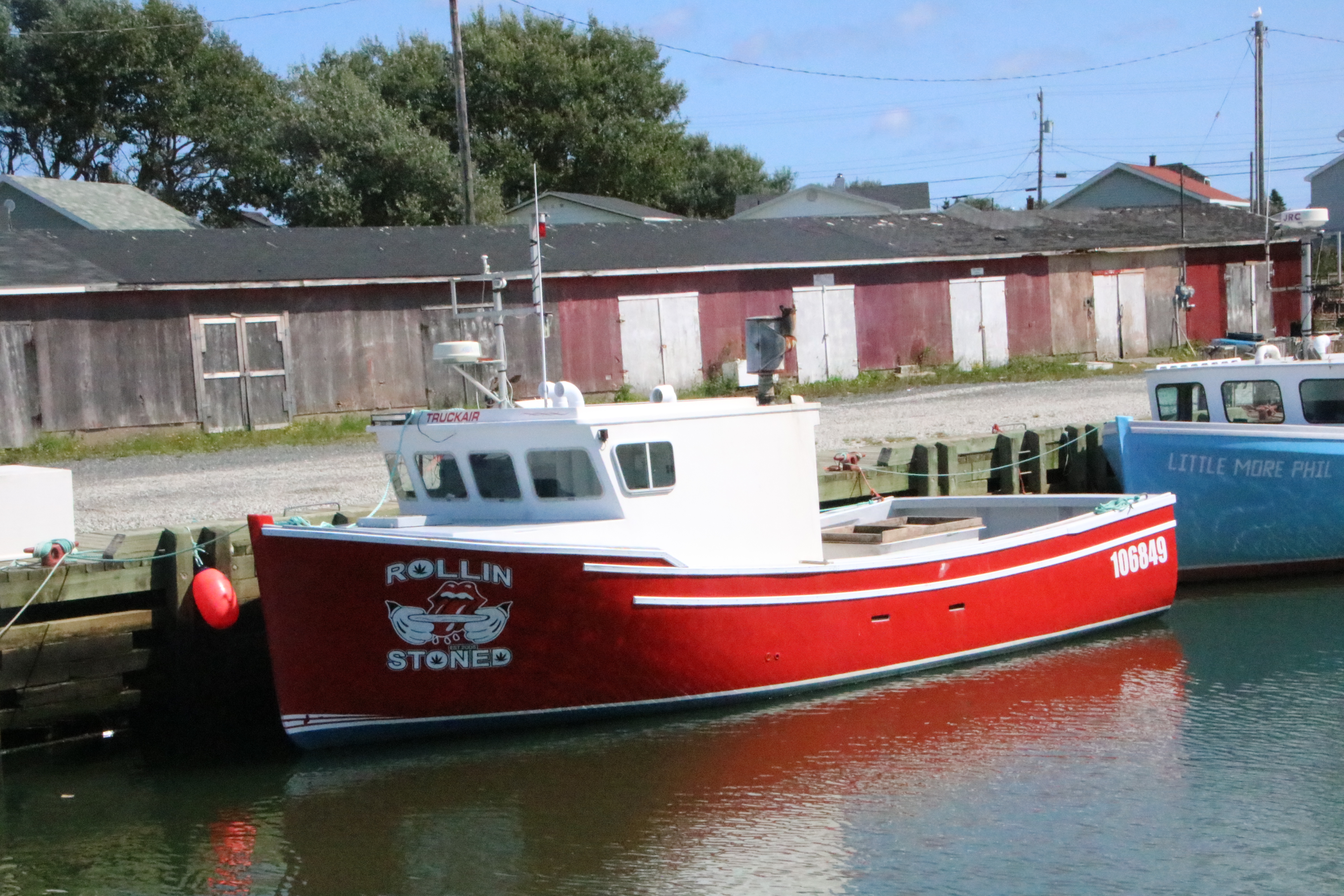
Back to North Sydney to walk around. The town was quiet but it looked like they were setting up for some festival. closing off a street block and setting up tables. The only business to the town would be the ferry.


Bobby Joe Ryan was a beautiful little boy born on lucky St. Patrick's Day, March 17th, 1993. He loved playing hockey but tragically, in 1999, he was fatally injured when struck by a puck to the heart while playing a fun game at the rink.


The MV Highlanders is named in recognition of the distinguished military service of the Highlander infantry regiments throughout Nova Scotia (now known as the Nova Scotia Highlanders and the Cape Breton Highlanders). These men and women continue to provide humanitarian assistance and peacekeeping services recognized throughout the world.


21 August 2017

Tuesday Treasures


Pictorial Tuesday   Tom hosts Tuesday's Treasures.

August 2017 - Toronto ON

I thought this sculpture merited its own post.

Just south of Front St. on Navy Wharf Court is the Chinese Railroad Workers Memorial.

You could easily see this as part of my walk last week which also included a historical walk along King St. which includes more links to this walk.
Also in the area are these sculptures.


The Workers Memorial was funded by the Foundation to Commemorate the Chinese Railroad Workers in Canada, led by James Pon. In 2004, Pon told the Toronto Star his father had to pay a $500 head tax to bring him to Canada in 1922, and it took 17 years to pay off the debt. The Workers Memorial, including the trestle arch and sandstone blocks carved to represent the Canadian Rockies, was built in 1989 and designed by prominent Toronto artist Eldon Garnet. The bronze figures were cast by Francis LeBouthillier.


This scene would have been common across the country as workers built the Canadian Pacific railway from coast to coast in the 1800s.

Image result for toronto archives chinese railway workers


Estimates of how many Chinese workers died building the railroad vary widely.
The memorial puts the number at over 4,000.Workers died in landslides, cave-ins, from disease, drowning, and explosions. Blasting tunnels through the mountains of B.C. made it the most dangerous, time-consuming, and deadly section of the railroad. Around 15,000 Chinese workers were brought in between 1880 and 1885 to work on the railroad in B.C., mostly from southern provinces including Guangdong, and paid around half of what other workers made ($1 a day to the $2–$2.50 other labourers got). They faced racism from many in B.C., partly because workers were concerned that Chinese immigrants were willing to work for less, and discrimination from their supervisors on the railroad, who paid them little, forced them to buy supplies from the company store, gave them the most dangerous jobs, and gave them little access to healthcare.


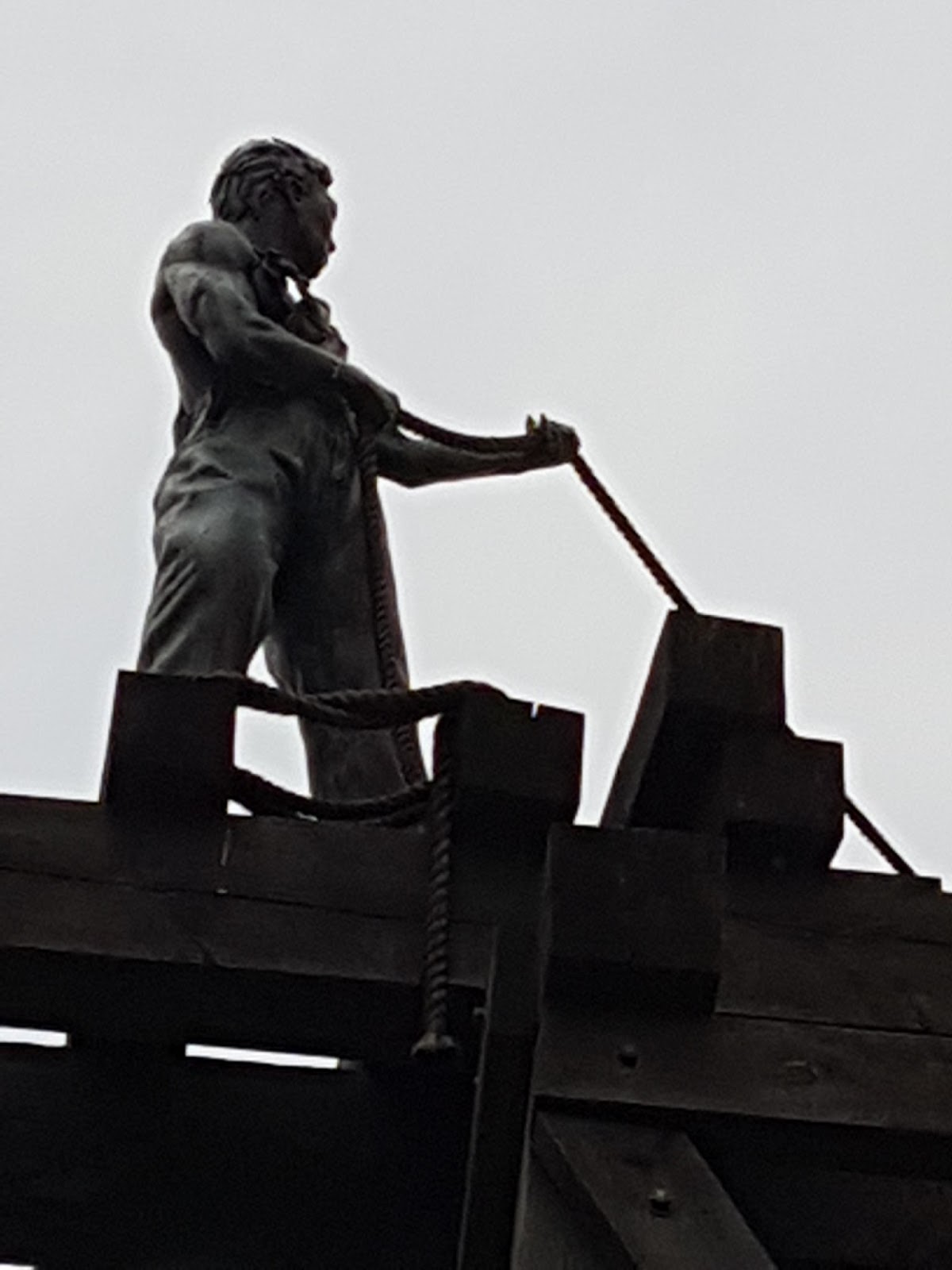
This man stands high on top, directing the log with just a rope, pulling it up to build the next tie on a railroad.


Another man reaches up towards the large wooden log—big enough to crush him—and braces himself against the trestle.


Even those who survived building the railroad often couldn’t afford to return to China or bring their families to Canada. They were left without jobs in hostile territory. The railroad workers memorial notes that it also memorializes these men, saying, “With no means of going back to China when their labour was no longer needed, thousands drifted in near destitution along the completed track. All of them remained nameless in the history of Canada.”

Foto Tunes

Tom the backroads traveller  hosts this weekly meme. May 2019 - Rome Italy Bob Dylan - When I Paint My Masterpiece Oh, t...