Showing posts with label Greece. Show all posts

05 July 2019

Weekend Roundup

Welcome to The Weekend Roundup...hosted by Tom The Back Roads Traveler
ABC Wednesday

1. Starts with "A."
2. A Favorite
3.  Architecture - chosen by Tom

I'm going to try and work my way through our huge collection of beers around the world.


Starts with "A"

Let's start with this beer, with three As from Athens Greece.


Favourite

Agora Athens


ARCHITECTURE

Tom couldn't have picked a better word for A.

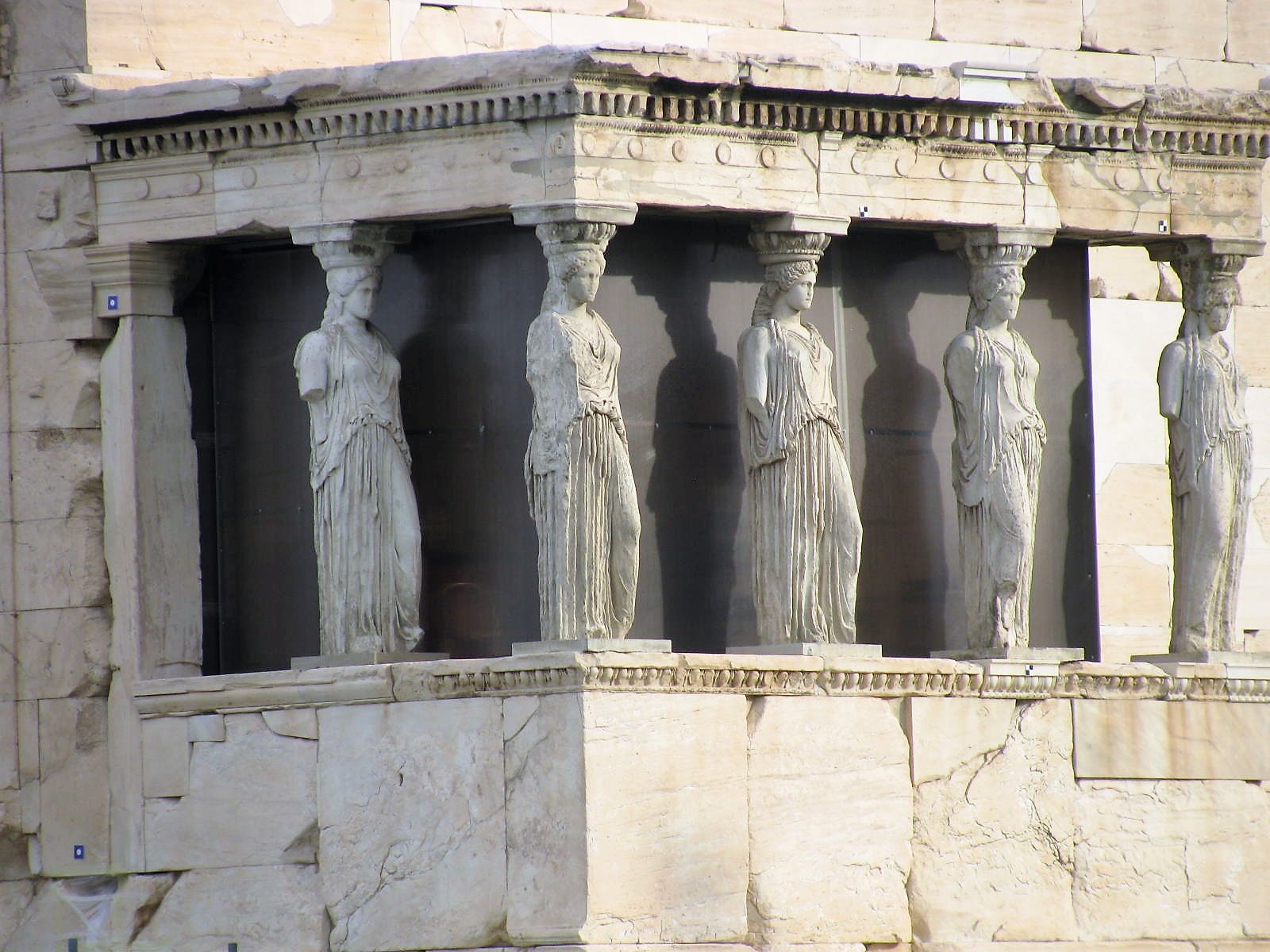
The ancient Acropolis in Athens with its archaeological remains.


The Acropolis of Athens is an ancient citadel located on a rocky outcrop above the city of Athens and contains the remains of several ancient buildings of great architectural and historic significance, the most famous being the Parthenon. The word acropolis is from the Greek words ἄκρον (akron, "highest point, extremity") and πόλις (polis, "city"). Although the term acropolis is generic and there are many other acropoleis in Greece, the significance of the Acropolis of Athens is such that it is commonly known as "The Acropolis" without qualification.



LAST CALL

At the hotel bar in Delphi Greece


12 April 2019

Weekend Roundup

Welcome to The Weekend Roundup...hosted by Tom The Back Roads Traveler

ABC Wednesday

1. Starts with "O"
2. A Favorite
3. OPEN

Starts with O

Organza in a Dolores Hildago Mexico dress shop.


FAVOURITE


OUZO Athens Greece
Clear until it turns cloudy.


OPEN
Rogers Centre roof is open for a Blue Jays game.


15 April 2018

inSPIREd Sunday

Sally and Beth host inSPIREd Sunday!

November 2010 - Meteora Greece


Last week I showed you some of the monasteries in Meteora. 

This week I have another monastery for you.


The rock, on the top of which the monastery is built, is vertical, steep and narrow. Visitors are impressed when they see it from a distance. The monastery spreads all over the surface of the peak of the rock and it gives the impression of a single construction. The present construction shape was formed during the third decade of the 16thcentury. The monastery has three floors. The katholikon and the cells are on the ground floor and on the other floors there are reception halls, the “archontariki” (=guest quarters), the exhibition room, other cells and subsidiary rooms. On the base of the rock, rooms for other use (workrooms, library etc) are built.


Rousannou (Ρουσανου) Monastery was founded around 1545 by Maximos and Ioasaph of Ioannina. The reason for the monastery's name is not known - it is actually dedicated to St. Barbara - but may reflect the name of a hermit who occupied the rock. It soon declined and became subject to Varlaam Monastery by 1614.

The monastery once again fell into disrepair for the two centuries prior to the 1940s, when it was damaged in World War II then plundered by the Germans. It was later repaired by the regional archaeological service and since 1988 it has been occupied by a small community of 13 nuns.


Rousannou Monastery stands on a low rock and is easily accessible by a bridge built of wood in 1868 and replaced by more solid material in 1930. Despite this, its situation is still quite dramatic, with the rock dropping off sharply on all sides.


We'll have lunch down there later.


08 April 2018

inSPIREd Sunday

Sally and Beth host inSPIREd Sunday!

November 2010 - Meteora Greece


The Meteora Μετέωρα, pronounced [meˈteora]) is a rock formation in central Greece hosting one of the largest and most precipitously built complexes of Eastern Orthodox monasteries, second in importance only to Mount Athos. The six monasteries are built on immense natural pillars and hill-like rounded boulders that dominate the local area. It is located near the town of Kalambaka at the northwestern edge of the Plain of Thessaly near the Pineios river and Pindus Mountains.


Why am I wearing a skirt?


This is why!


The monasteries do provide sarongs.


Nowadays, getting up is a lot simpler due to steps being carved into the rock during the 1920s. Of the 24 monasteries, only 6 (five male, one female) are still functioning, with each housing fewer than 10 individuals.


As early as the 11th century, monks occupied the caverns of Meteora. 


However, monasteries were not built until the 14th century, when the monks sought somewhere to hide in the face of an increasing number of Turkish attacks on Greece. At this time, access to the top was via removable ladders or windlass.


Asleep


November 2010 - Athens Greece


Les Fleurs de Ville Spring

  Previous displays May 2026 December 2025 - we were away May 2025 December 2024 May 2024  December 2023 August 2021 August 2020 May 2026 - ...